 EN

Hiking Day Pack vs 70L Rucksack: Choosing Capacity for Different Trips
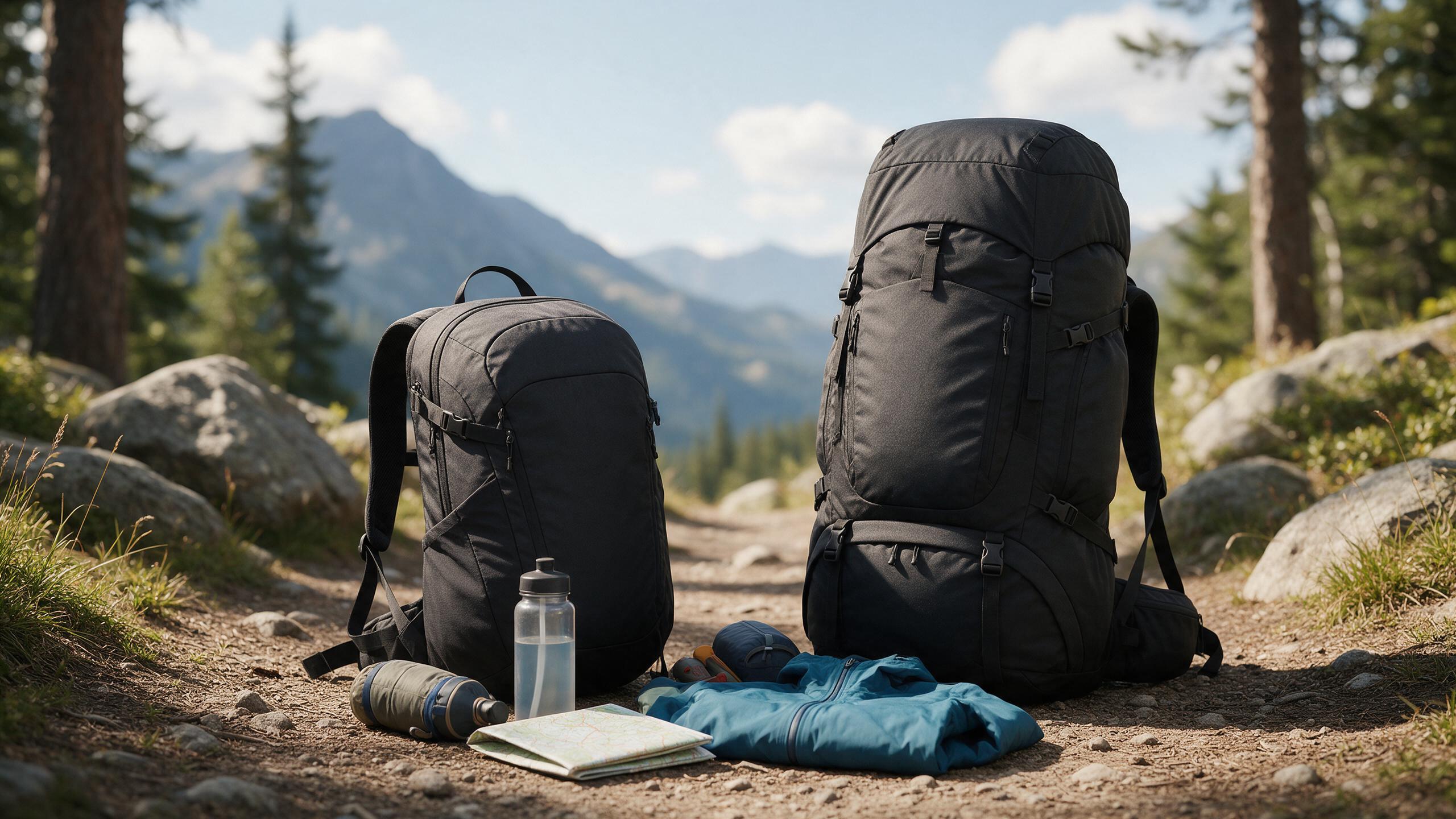
A hiking day pack and a 70L rucksack solve different trip-planning problems. The capacity number matters, but a useful comparison starts with the route, hours outside, weather exposure, and the equipment that needs to stay accessible. For a brand, importer, or retailer building an outdoor-bag range, the practical question is not which format is universally better. It is whether the pack matches the trip it is meant to support.
Most day hikes call for a compact, organized load: water, food, a layer, navigation, basic first aid, and weather-ready items. By contrast, a 70L hiking rucksack leaves room for bulkier overnight or multi-day equipment. The distinction is important because a large pack can be under-filled on a short walk, while a small hiking day pack can become difficult to organize when the route, season, or safety plan requires extra gear.
Start With the Trip, Not the Capacity Label
Before comparing liters, define the trip in plain terms: Is it a two-hour local trail, a full day above the tree line, a hut-to-hut route, or an unsupported overnight? A hiking day pack is usually selected around a single day’s essentials and frequent access. Longer trips introduce sleeping gear, extra food, more clothing, and sometimes cooking or camp equipment. Those items change both volume and the way weight should sit against the body.
General daypack guidance commonly places day-hike capacity roughly between 5L and 40L. Within that range, 21–35L is often a workable starting point for food, clothing, water, and small extras, while 36–40L can make sense when the day requires added layers or activity-specific equipment. These are planning ranges, not a substitute for checking a product’s actual dimensions, suspension, and intended load.
For a buyer, the first conversation should separate three variables: trip duration, gear bulk, and access frequency. A larger capacity has value only when the carried items need the space. Otherwise, a smaller hiking day pack can make it easier to keep water, snacks, and a shell in predictable places.
Day Hikes: When a Compact Hiking Day Pack Is the Better Fit
For short to full-day routes, a hiking day pack is typically about keeping a modest load stable and easy to reach. The U.S. National Park Service’s day-hiking preparedness categories include navigation, water, food, layers, illumination, first aid, fire, and repair supplies. Not every hike needs the same quantity of each item, yet the list explains why route conditions and weather can expand a supposedly simple day load.
A hydration-focused option such as the 25L Lightweight Cycling Hiking Backpack Hydration Pack can be a relevant reference point when the planned load centers on water, snacks, a light layer, and compact essentials. Its listing confirms the category and 25L designation; whether it suits a specific user still depends on the real packing list and fit evaluation.
In a product range, a day pack needs a clear use boundary. Ask: Can the user carry their water and food without burying a rain layer? Are high-frequency items placed where they can be reached during a break? Does the back and shoulder setup match the expected load rather than only the bag’s external profile? These questions create better retail copy and better procurement briefs than a generic claim about versatility.
70L Rucksacks: Capacity for Longer, Bulkier Loads
A 70L rucksack is generally a different category of tool. The additional volume can accommodate a longer-trip system: more clothing, a sleeping setup, extra food, and other bulky gear. It also calls for closer attention to load control and carry structure. Filling unused space simply because it exists can create a less balanced load for a short outing.
For a longer itinerary or an equipment-heavy use case, the 70L Hiking Cycling Backpack Large Capacity Water-Resistant Outdoor Rucksack is a relevant category reference. Its published title identifies it as a 70L, large-capacity outdoor rucksack. Buyers should request the detailed specifications and sample review points needed for their intended use, including dimensions, load guidance, strap construction, compartment layout, and the applicable conditions behind any water-resistance description.
For B2B range planning, this is where a large capacity hiking backpack should be positioned carefully. It can serve a longer or more gear-intensive trip concept, but it should not be presented as the automatic upgrade from every hiking day pack. The customer who hikes for a few daytime hours may prioritize a less bulky silhouette and faster access; the customer carrying an overnight system may prioritize volume, compression, and a more supportive load-management approach.
A Capacity Comparison for Product Positioning
| Planning factor | Hiking day pack | 70L hiking rucksack |
|---|---|---|
| Typical trip frame | Short to full-day hikes | Longer, overnight, or bulkier-load trips |
| Primary packing focus | Water, food, layers, navigation, and compact safety items | Expanded clothing, food, and bulky trip equipment |
| Key buying question | Can essentials stay organized and accessible? | Can a larger load be packed and managed appropriately? |
| Common mistake | Ignoring weather layers or water needs | Using extra volume as a reason to overpack |
| What to verify | Fit, hydration access, pocket logic, and intended load | Dimensions, compression, carry construction, and intended load |
The table is deliberately scenario-led. A hiking day pack does not become unsuitable merely because a route is long in distance; equipment choices, climate, resupply, and personal pace also matter. Likewise, a 70L hiking rucksack may be appropriate for a specific gear-heavy trip, but capacity alone does not confirm comfort or support.
How Weather and Equipment Change the Choice
Weather preparation is one of the fastest ways for a small day load to grow. A warm forecast can shift, and a longer route can require spare layers, rain protection, more water, or lighting for an unexpected late finish. Rather than treating a water-resistant label as a blanket promise, define what protection is needed and verify the materials, construction, and intended conditions in product documentation.
Activity-specific equipment changes the decision in the same way. Trekking poles, camera gear, family supplies, or activity-specific equipment can create a need for attachment points, more organized volume, or a more stable carry system. If a brand plans a large capacity hiking backpack program, it should specify which equipment profile it supports instead of relying on a broad outdoor label.
A Procurement Checklist for a Clearer Brief
For a buyer sourcing a hiking day pack or a 70L hiking rucksack, the most useful brief turns the trip into confirmation points:
- Define the target trip duration and likely climate range.
- List the mandatory gear and identify which items require quick access.
- Set the capacity band before requesting a specific silhouette.
- Ask for product-specific dimensions, compartment details, and intended load guidance.
- Review shoulder, back, waist, and adjustment features on samples with a realistic packed load.
- Separate water-resistance expectations from verified material and construction information.
- For private-label projects, document color, logo placement, accessory, and packaging priorities alongside function requirements.
This approach helps avoid asking one capacity option from being asked to cover every use case. It also gives product, purchasing, and sales teams a shared vocabulary when they compare a compact hiking day pack with a 70L hiking rucksack.
The Practical Decision: Match the Pack to the Expected Load
Choose a hiking day pack when the use case is primarily a day route and the packing list remains compact, organized, and easy to access. Move toward a 70L hiking rucksack when the itinerary and equipment genuinely require substantially more volume. The right capacity is not a status marker; it is a planning response to trip length, carried gear, weather preparation, and the need to manage the load comfortably.
For a hiking-bag range or OEM/ODM brief, begin with the end user’s trip rather than a capacity number. Then verify the product-specific details through specifications and samples before making performance claims. That keeps the assortment clearer for customers and gives each bag a more defensible role in the line.




 Hot News