
 EN
How Roll-Top Waterproof Backpacks Protect Gear in Outdoor Use
For an outdoor brand, a waterproof backpack is more than a bag with water-resistant-looking fabric. Its usefulness depends on how the opening, body construction, packing routine, and carrying needs work together when conditions change. A roll-top design is often considered because it gives users a flexible opening and a closure system that can help limit water entry when it is folded and secured correctly.
From a brand buyer’s point of view, the practical question is not whether a roll top or a zipper is universally preferable. It is whether the intended user needs adjustable capacity, repeated access, rain protection, or a more sealed packing approach. For outdoor collections, the answer starts with the activity, the gear list, and the likely weather exposure.
How a Roll-Top Closure Helps Manage Water Exposure
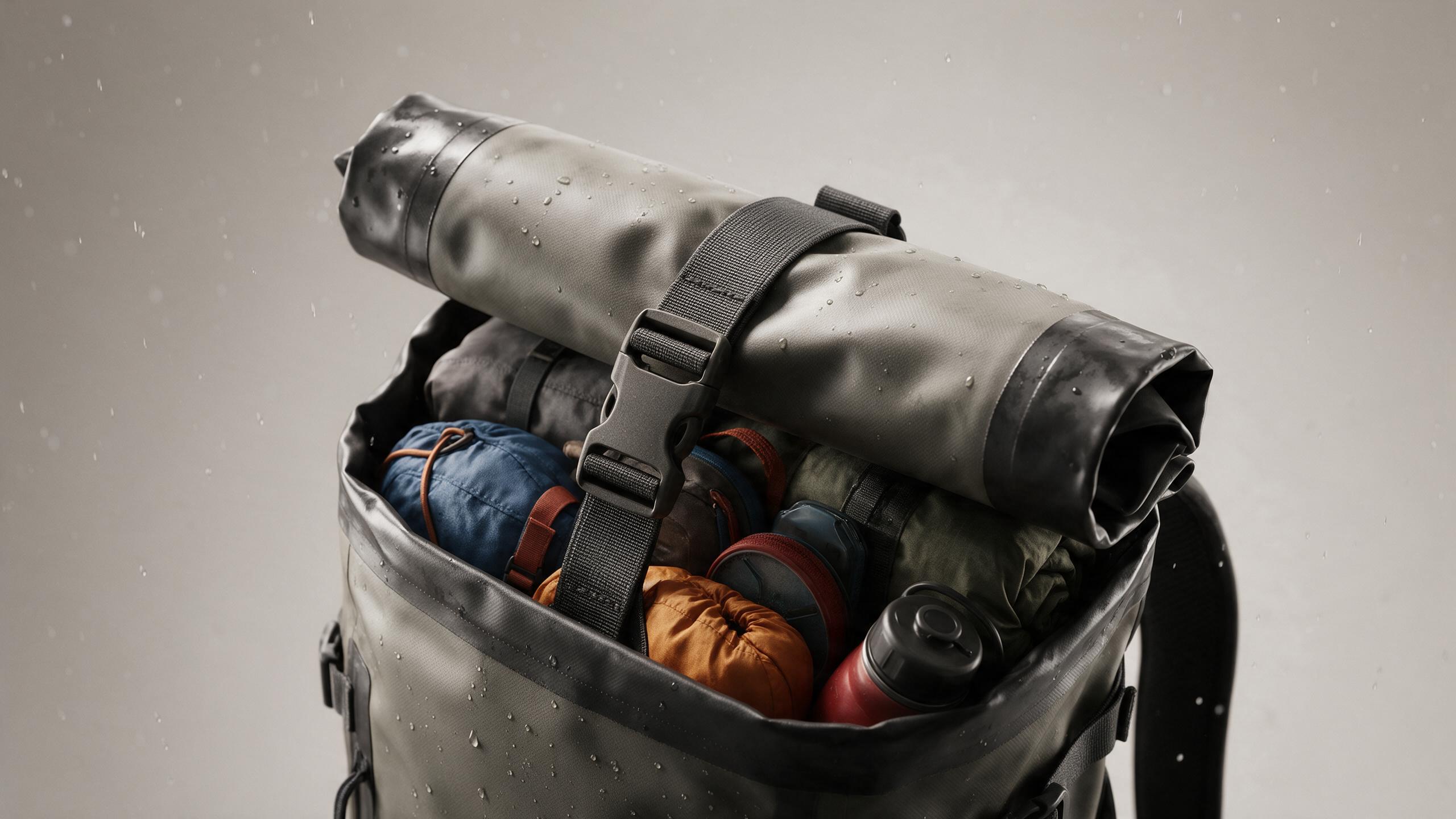
A roll-top closure works by leaving enough material above the packed contents to fold the opening down several times, then securing it with buckles. Each fold creates a longer path that water would need to travel before reaching the main compartment. This is why a waterproof backpack with a roll top can be a sensible format for activities where rain, spray, wet ground, or damp storage are part of the expected environment.
The closure must be used as intended. If the bag is overfilled, if the upper material cannot be rolled cleanly, or if the buckles are left unsecured, the design cannot provide its intended level of protection. One product instruction retrieved during research specifies at least three rolls for that particular system; brands should treat the number of folds as a product-specific use instruction to verify during development, rather than copying it as a universal claim.
This is an important distinction in product communication. A roll top describes a closure format. Actual protection also depends on the body material, seam treatment, construction quality, wear condition, and the kind of water exposure involved. It is more useful to explain those boundaries than to make an unsupported all-condition promise.
Why Packing Habits Matter as Much as the Closure
Before choosing a waterproof backpack, list what has to stay dry and what needs quick access. Electronics, spare layers, food, maps, and dry clothing may all need different placement. When everything is packed loosely into the same main compartment, users may open the roll top repeatedly in wet conditions and lose the benefit of a carefully closed opening.
A practical field routine is straightforward: place the least frequently used dry gear deeper in the main compartment; keep high-use items in suitable external or secondary storage where the product design allows; then close the roll top with enough space remaining to make clean folds. During a change in weather, the goal is to avoid leaving the primary opening exposed while searching for a jacket or snack.
For a brand brief, that leads to specific questions: What should users reach during movement? How much space must remain above a typical load for rolling? Does the target activity require a separate wet-item area? These questions create clearer design decisions than adding pockets without a use logic.
Roll Top vs Zipper Backpack: Start With the Use Case
The roll top vs zipper backpack decision is usually about access and operating conditions. A zipper can offer fast entry and a familiar routine, particularly when users open the main compartment often. A roll top can make more sense when flexible capacity and a closure-first packing process are priorities. Neither format removes the need to examine construction and intended use.
| Use consideration | Roll-top direction | Zipper direction |
|---|---|---|
| Changing load volume | Can accommodate a lower or higher load when there is enough material to roll. | Often works within a more fixed opening shape. |
| Main-compartment access | Encourages packing in layers and closing the top after access. | Can be convenient for frequent full-compartment access. |
| Rain-exposed routines | Useful when the user can close the opening carefully before moving on. | Needs a zipper system and surrounding construction suited to the intended exposure. |
| Development review | Confirm roll height, buckle position, user instructions, and packed shape. | Confirm zipper specification, flap or cover design, and access frequency. |
That comparison is more useful than a marketing shortcut. If a product is aimed at day hikes with intermittent rain, a roll-top waterproof backpack may align well with a deliberate packing routine. If the same bag must provide frequent, quick access for a different activity, the opening layout should be examined again.
Outdoor Scenarios Where a Roll Top Can Be Useful
Roll-top designs are often relevant to hiking, fishing, paddling-adjacent travel, beach approaches, cycling, and other outings where gear may be exposed to changing weather or wet surfaces. Not every activity needs the same bag. It is that users benefit when the closure matches how they load, carry, and access equipment through the day.
Consider a wet-weather day hike. At the trailhead, a user may pack a shell, insulation layer, food, a phone, and spare clothing. Once the main compartment is organized, folding and buckling the opening lets the user move on without relying on an open-top arrangement. When the weather shifts, an easily reachable outer layer becomes more valuable than a deep compartment full of mixed gear.
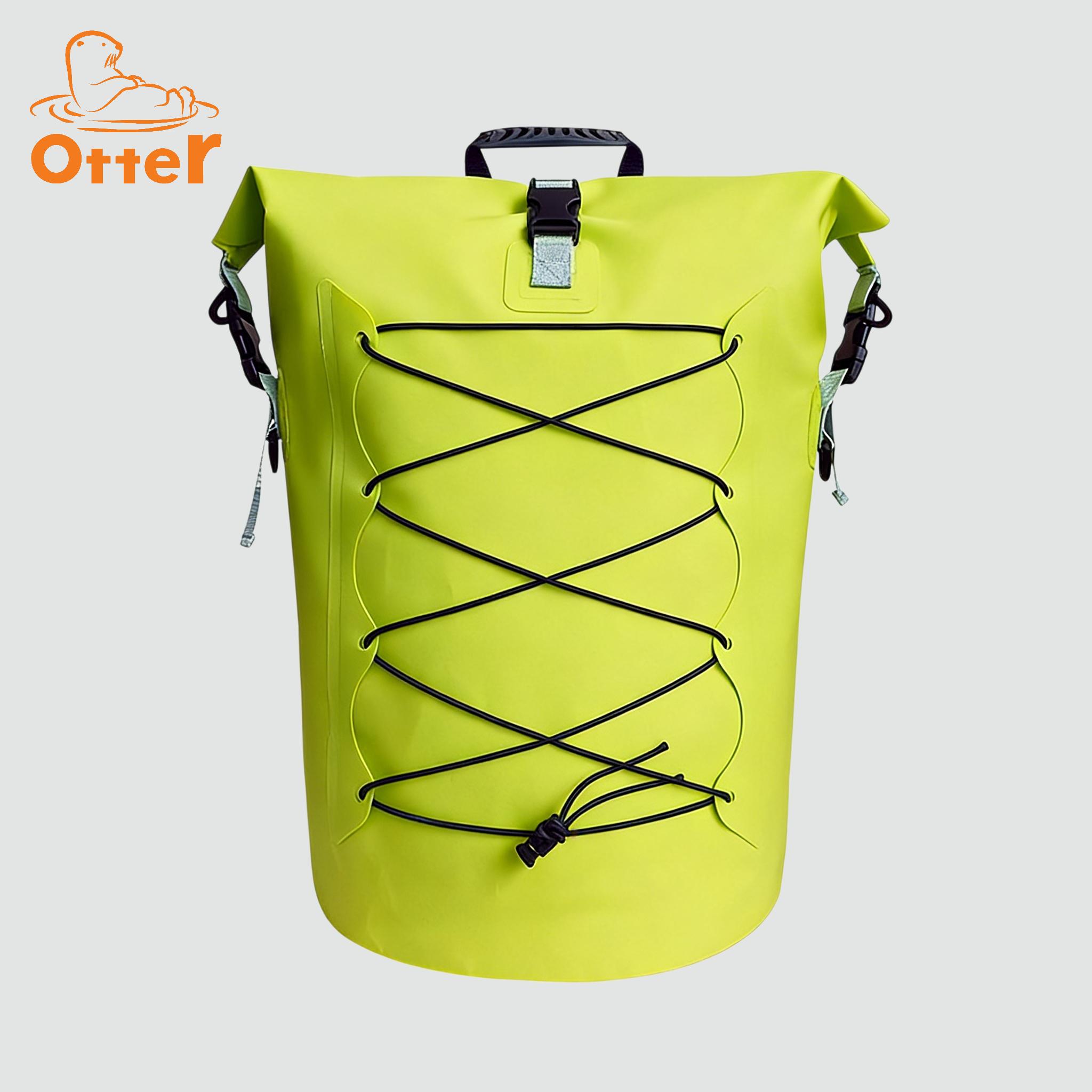
For collection planning, the 35L Roll-Top Waterproof DryPak Backpack provides a relevant product format to discuss with buyers. The available product record confirms the title, capacity reference, and product-page link; final material specifications, closure instructions, and performance requirements should be confirmed through the product specification and sample review.
What to Confirm Before Developing a Waterproof Backpack
For an awareness-stage conversation, it helps to separate confirmed requirements from future verification. Rather than treating “waterproof” as a single checkbox, use a short development checklist:
- Target exposure: Is the bag intended for occasional rain, repeated wet handling, or a more demanding water-contact environment?
- Closure clearance: Can the expected load leave enough top material for the intended rolling method?
- Construction evidence: Which materials, seams, and closure details need to be documented in the specification?
- Access plan: Which items must be retrieved without reopening the main compartment in rain?
- Carry system: How should shoulder straps, back-panel comfort, and load stability fit the planned user and route?
- Sample review: Which opening, packing, and wet-use actions should be assessed before a claim is used in public content?
These checks are especially useful for OEM or private-label projects because they turn a broad protection idea into details that a development team can discuss. Capacity, opening geometry, buckle placement, and carrying comfort all influence whether a roll-top waterproof backpack feels practical after the first few minutes outdoors.
Waterproof Backpack Brief: Questions That Keep Protection Practical
Use these prompts to make a waterproof backpack brief more specific. They keep the waterproof backpack discussion tied to outdoor use rather than a broad label.
- What rain exposure should the waterproof backpack handle, and when should it be closed before movement?
- How much spare top material must the waterproof backpack retain for rolling?
- Which dry items belong in the waterproof backpack, and which items need faster access?
- How often will users reopen the waterproof backpack, and does that routine suit the closure?
- Which construction details will the waterproof backpack specification record?
- Does the target load leave the waterproof backpack easy to roll?
- What evidence supports the waterproof backpack claim, and which limits should public content state?
- Does the planned user need flexible volume from the waterproof backpack, or quicker access from its opening?
Make Protection Part of the Whole Gear System
A backpack does not work alone. It is part of a system that includes the equipment inside, the route, the weather, and the user’s habits. A roll-top design can support a careful protection routine, but it does not replace sensible packing or product-specific verification. If dry gear is critical, users should understand how to close the bag correctly and brands should define the performance boundary they are prepared to support with evidence.
For brand teams exploring outdoor bag development, start with the intended activity and the moments when users will open the bag. Then define the capacity, opening, and carry requirements around those moments. That approach makes it easier to decide whether a roll top belongs in the range and what a waterproof backpack should be expected to do in real outdoor use.
 Hot News